Building PostSign: from contract PDF to trackable obligations in four weeks
Most contract tooling stops at the signature. The PDF gets filed, the obligations inside get forgotten, and the only signal that something is due is when it is already late.
PostSign starts where those tools stop. It takes a signed contract, extracts every obligation, deadline, and condition from it, and turns that into owned, trackable work. I joined as Technical Lead for the AI Start program at Campus Founders, a four-week intensive for early-stage AI startups. This is what those four weeks looked like.
The product
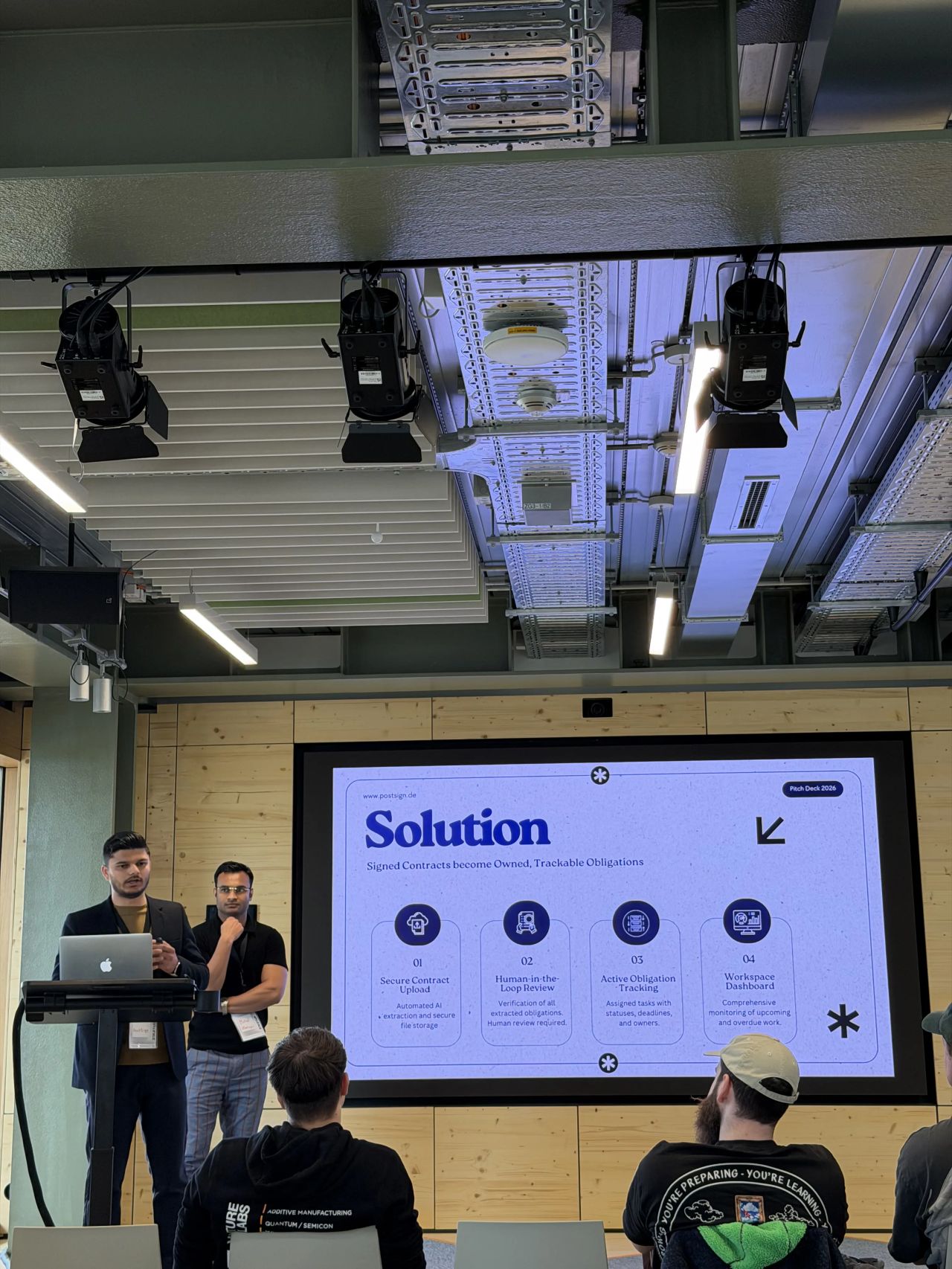
A contract lands in PostSign as a PDF. Automated AI extraction pulls out every obligation, deadline, counterparty, and condition as structured data. Before any of that moves forward, a human reviews and confirms the extraction. That review step is not optional: it keeps the system accountable rather than just fast.
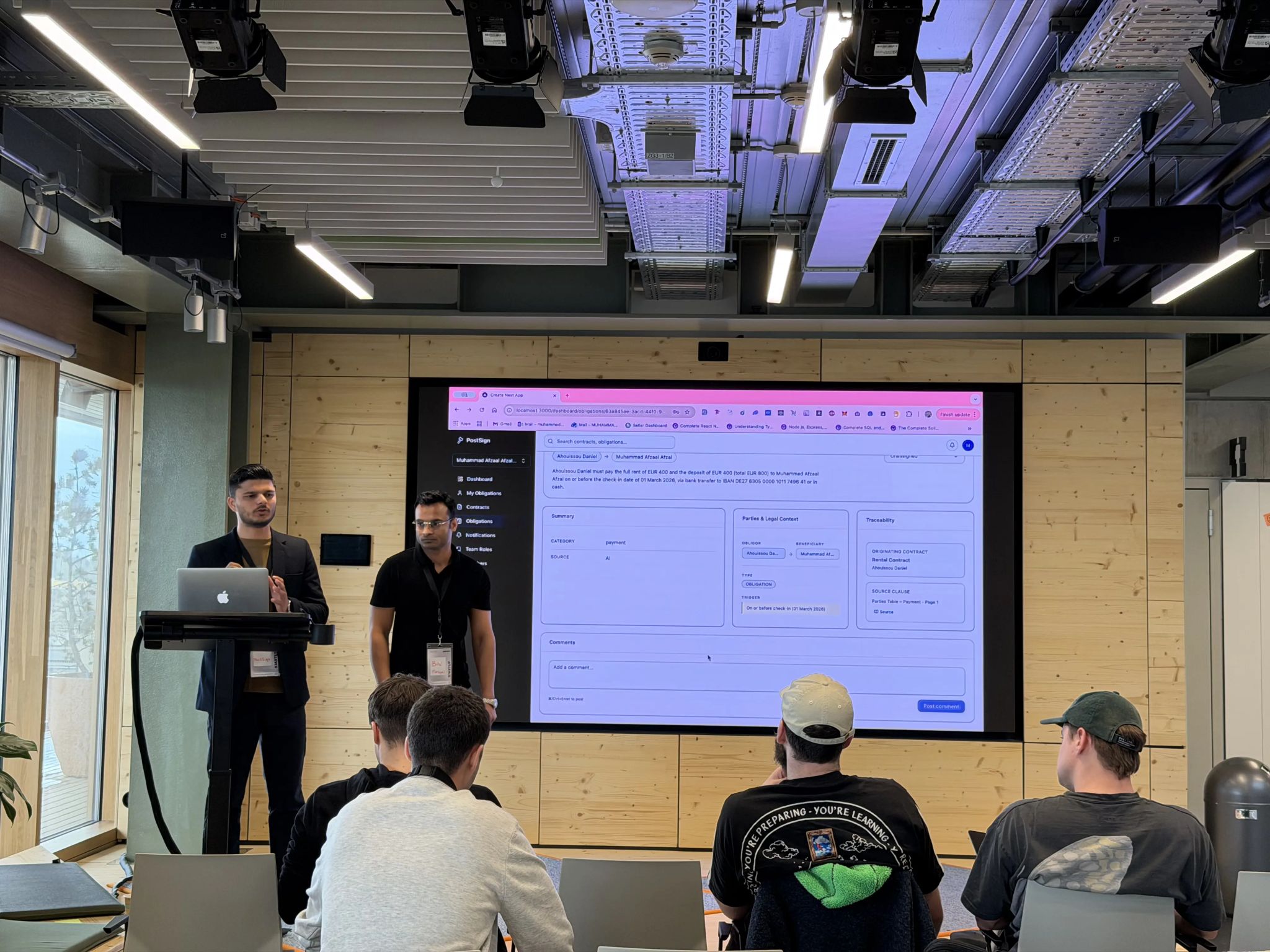
From there, each obligation becomes a task: an owner, a deadline, a status, and an alert if it goes overdue. The workspace dashboard gives the full picture across all active contracts at once.
How we worked
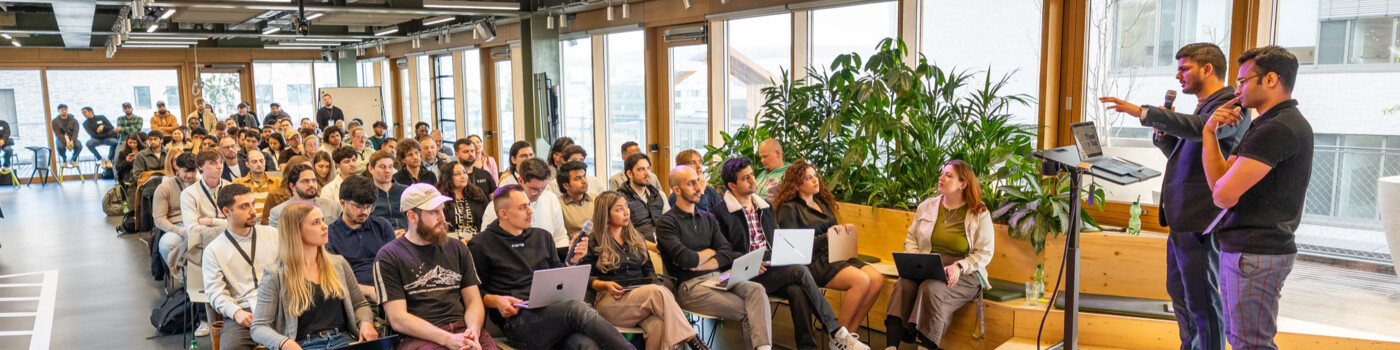
The AI Start format is intentionally intense. Four weeks, weekly check-ins with the Campus Founders team, and a final pitch in front of judges, investors, and startup founders. That structure forces you to be deliberate about what you actually build.
My role as Technical Lead was to make sure we were always building the right thing in the right order. Week one went into a product requirements document and sprint planning. We broke the product into units that could ship independently, so we always had something working even as features were incomplete.
The discipline that mattered most was scope. Every session, something had to be cut. The question was always: does this help us ship a better product, or does it just make us feel productive? Those are not the same thing.
The outcome
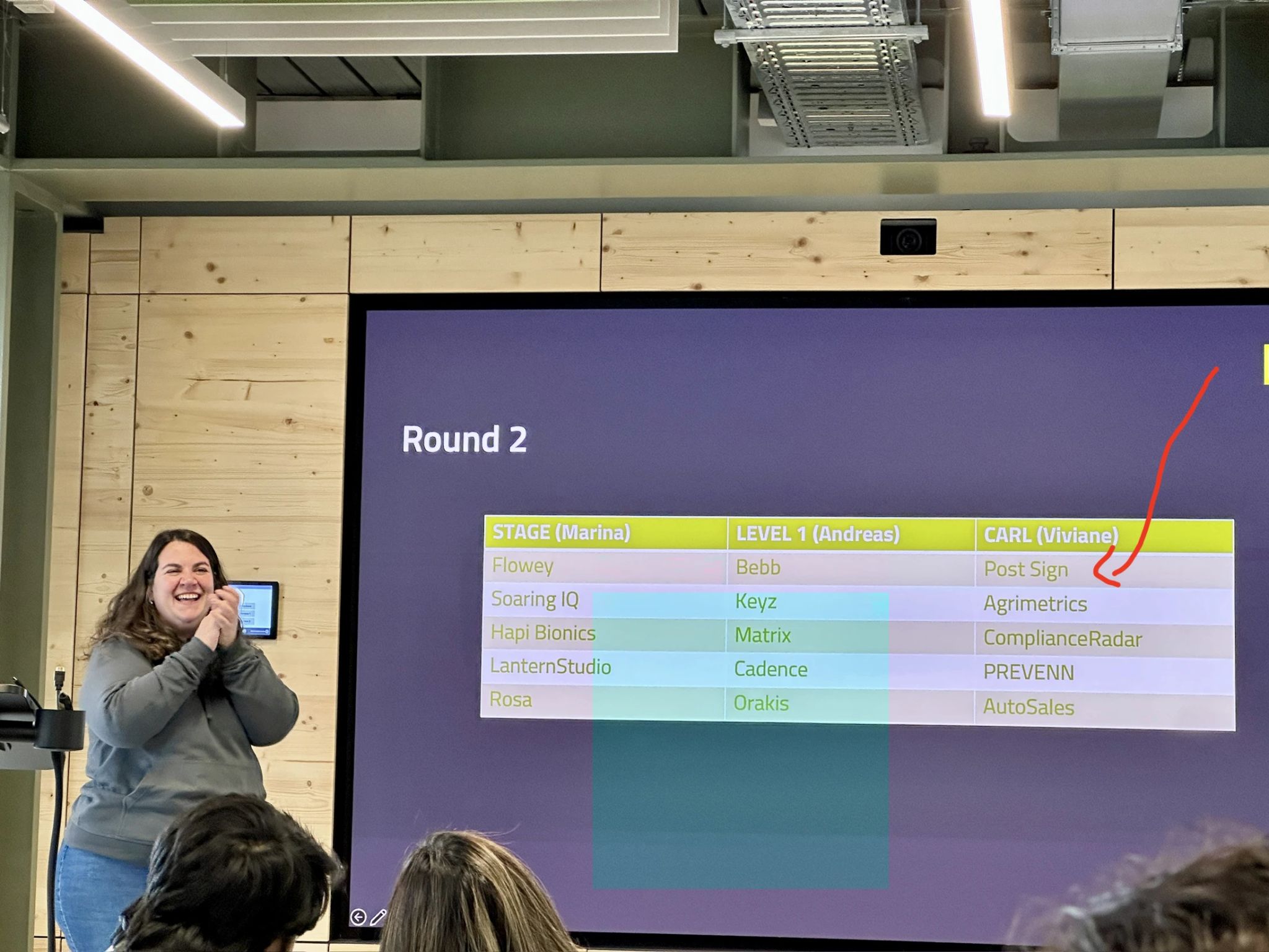
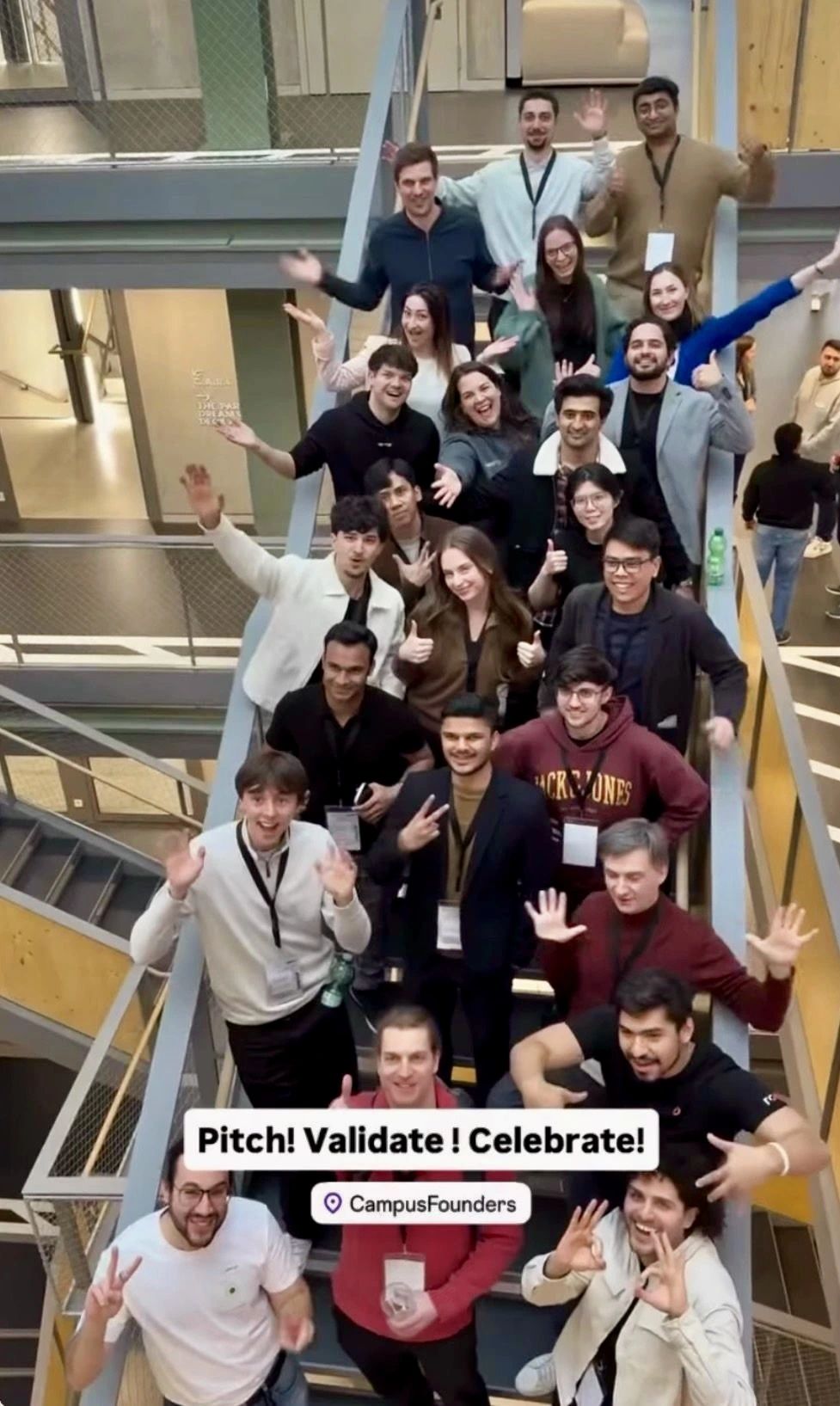
PostSign placed first in the first two rounds and reached the final pitch in front of a room that included judges from the startup and investor community.
Competing in a cohort of AI startups, each with real products and real pitches, was a useful stress test. The problem PostSign solves, contract obligations that go untracked, exists in every industry that signs agreements. That audience understood it immediately.
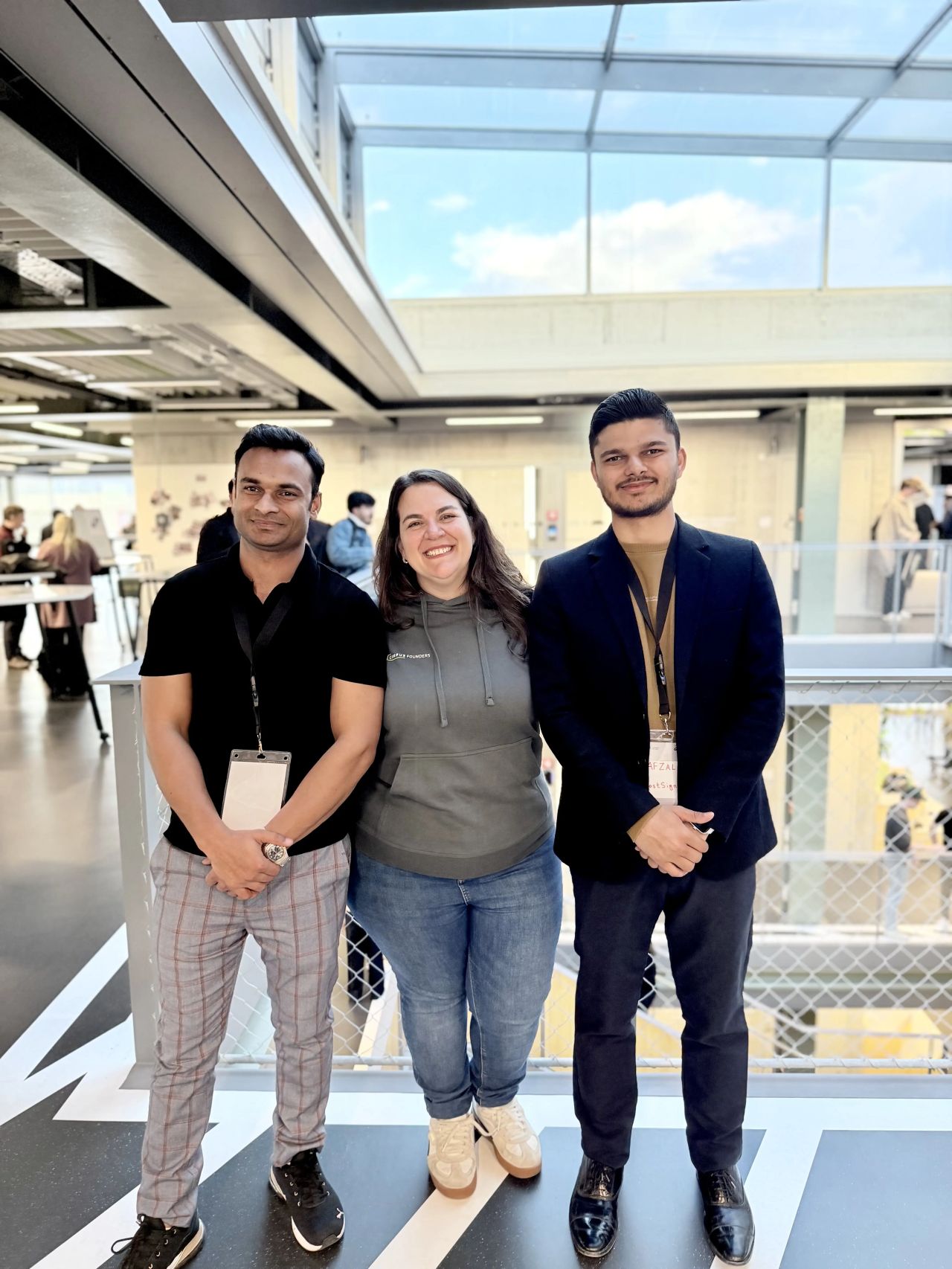
The team: Bilal Muhammad (co-founder) and me, with Marina Iantorno, the AI Start lead at Campus Founders, providing the program structure that kept us honest about what we were building.